Healthy Back and Posture in Batumi: My Training Approach
I start with accessible movement and a workload you can understand. Here are the principles I adapt to each person, rather than a fixed routine for every back.
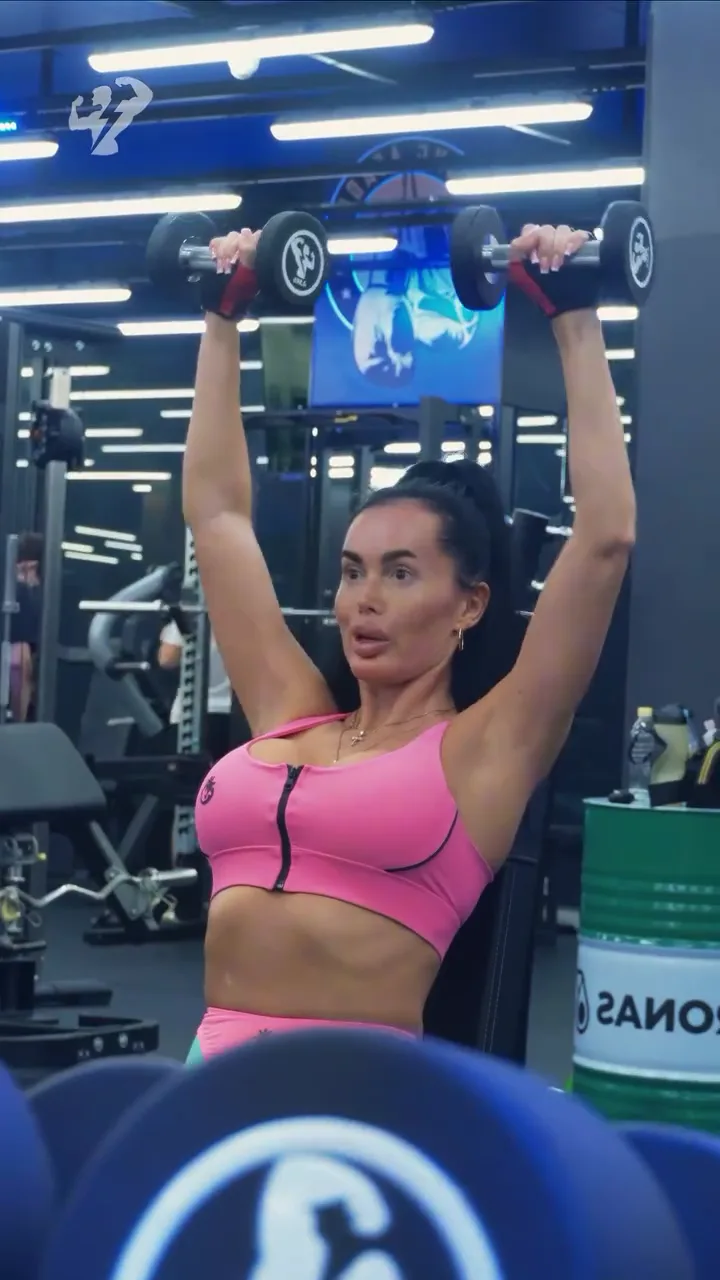 Author: Lyudmila Overkovskaya
Personal fitness trainer in Batumi
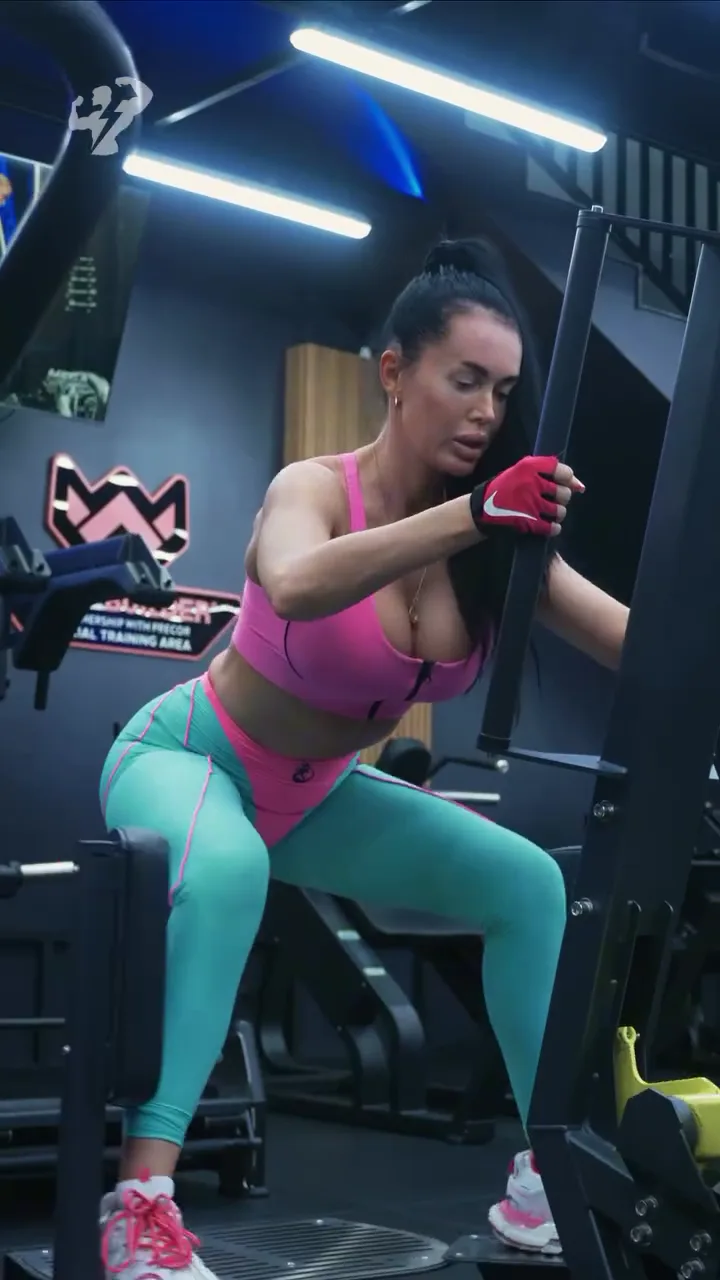
When someone asks me about a healthy back and better posture, I start with everyday movement. What would they like to do more confidently: walk, train, carry shopping or manage a working day? Understanding that goal gives us a more useful starting point than comparing a photograph with an idea of perfect posture.
I am Lyudmila Overkovskaya, and I have coached for more than 15 years. I return to accessible workloads, clear technique and gradual changes across different programmes. However, I do not give an identical exercise list to everyone. Below are examples I might consider, with an explanation of how I adapt them during a session.
First, clarify what is bothering you
Wanting to learn strength exercises after a sedentary working day is different from having current pain, a recent injury or restrictions from a clinician. Please tell me about these before we choose the workload. A session should not become an attempt to investigate an unknown symptom by adding resistance or trying increasingly difficult movements.
Pain that persists, worsens or interferes with ordinary tasks needs medical assessment. Seek urgent medical help for back pain after a serious injury, new weakness or numbness, or changes in bladder or bowel control. You can read the NHS guidance on back pain for more detail. An exercise list is not the next step in those situations.
I do not ask you to hold one pose all day
At a desk, it is easy to start checking your shoulders and stomach constantly, trying to remain still in an approved position. That is not how I organise training. I want you to learn useful movements, feel able to change position and understand how to manage the particular workload we have chosen.
In the gym, I explain a position for a specific task. We might discuss foot placement for a squat to a bench or how to hold your trunk during a pulling exercise. Those instructions do not mean you should walk around in exactly that position afterwards. Exercise technique and ordinary movement call for different kinds of attention.
Movement options I may consider
These examples are for discussion with a trainer, rather than self-treatment for pain. For each one, we choose an accessible version, then consider your control and comfort. If the position feels wrong or causes pain, I change the exercise. Finishing a prescribed number of repetitions is not more important than your feedback.
A pulling exercise with suitable resistance
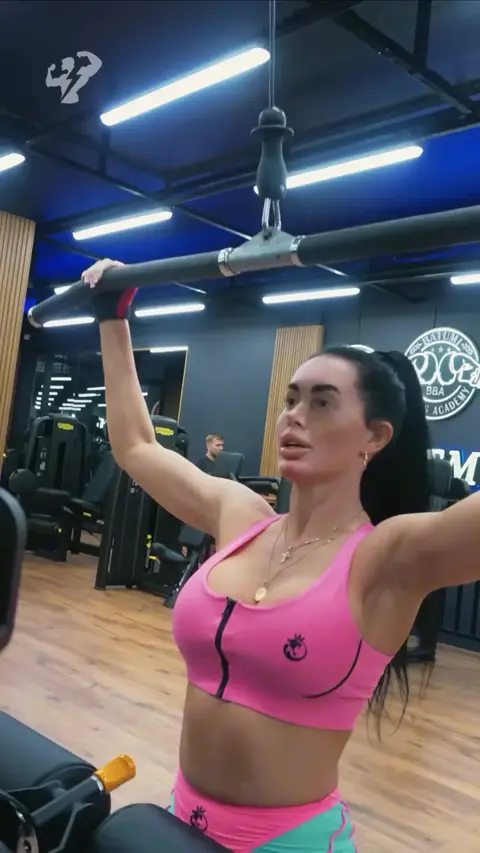
I may choose a seated machine row or another stable pulling position. First we adjust the setup and select a manageable weight. I ask for a smooth pull, without a jerk or shoulders rising towards the ears, followed by a controlled return. There is no need to force the shoulder blades together as hard as possible.
A short introductory set may give us enough information. If every repetition requires swinging your body, the workload is too demanding for this task. I adjust the resistance or position. Your notes can record whether you repeated the movement consistently and which explanation helped, rather than simply listing the weight on the machine.
A supported hip hinge
To introduce movement at the hips, I might use a small forward hinge with your hands on a stable support. You stand comfortably, allow some softness at the knees, move through a small range and return. You do not need to reach the floor or add a weight during this first introduction.
If the instruction is confusing, I show another version. We are learning the movement, rather than testing flexibility. Changing the support height, reducing the range or choosing another exercise may help. I want an explanation that makes the action clearer, without leaving you to guess what you are supposed to demonstrate.
Simple work for the trunk
One option is lying on your back with bent knees and gently sliding one heel along the floor, alternating sides. I choose a range in which you can breathe comfortably and control the movement. If that position is unsuitable, we choose another. Trunk work does not have to start with a long plank.
I do not measure the quality by how forcefully you brace or how long you can hold your breath. The aim here is a clear, repeatable action. Once the introductory version is familiar, we can discuss another level. Looking simple is not, by itself, a reason to make an exercise harder.
What an introductory session might include
For someone suited to this activity, we could discuss the following structure:
- A gentle warm-up and a few minutes of easy walking.
- One accessible pulling exercise with setup practice.
- A small supported hip hinge without added weight.
- A simple trunk exercise in a comfortable position.
- A conversation about sensations and useful adjustments.
These are possible directions, rather than a compulsory circuit. I may leave out movements, change the order or spend longer explaining one exercise. We do not need to complete the whole list at the first appointment. Learning a small amount clearly gives us a better basis for independent practice and future sessions.
Make room for movement during work
Look for opportunities to change position or briefly leave the desk. I suggest attaching this to something you already notice: finishing a call, closing a document or taking a normal break. You do not necessarily need another elaborate reminder system. Start with an action that fits the way your working day already runs.
In Batumi, the seaside boulevard can offer an enjoyable walking route. Choose a manageable distance and keep a shorter alternative for rainy autumn weather. A walk does not have to become a test of endurance. If symptoms are making walking difficult, discuss them with an appropriate professional rather than extending the route to meet a target.
Review practical changes
After a session, record a few practical observations:
- Which movements are clearer?
- Where do I still need a cue?
- Does the appointment time work?
- What should we discuss next time?
A short note can be enough: “The row felt controlled; I still need help with the hinge.” That gives the next appointment a specific purpose and helps me decide what to repeat, adjust or leave out.
Avoid setting a deadline to “fix your back.” First clarify the goal and what falls within exercise coaching. If you need rehabilitation or treatment, plan that with the relevant professional. I can select training around agreed restrictions, but a fitness session does not replace medical care. Bring any relevant advice to our initial conversation.
I offer in-person sessions in Batumi, currently at Fitness Academy, 18A Pirosmani St. I speak Russian, English and Ukrainian. We can discuss your experience, current level and limitations before deciding where to start.
To talk about training for strength, mobility and more confident movement, book your first session through the form on the site or message Instagram @overkovskaja. Tell me which everyday task you would most like help with.
Key takeaways
Can one exercise fix my posture?
I do not promise a posture change from a single movement. I consider strength, accessible mobility, everyday habits and a realistic training schedule together.
Does everyone get the same back programme?
No. I use shared principles, but select exercises and workload individually. Pain or medical restrictions may need assessment before choosing the activity.
What if an exercise hurts my back?
Stop and tell your trainer. Persistent or worsening pain, or pain accompanied by unusual symptoms, needs medical assessment.